
Building Your Retirement Identity Before You Leave Work
How to start exploring who you want to be — beyond your job title — while you're still working. It's easier than you think.

Most people think retirement planning is just about money. But here's the thing — you can have a perfect pension and still feel completely lost on day one if you haven't figured out who you are outside of work. Your job title won't be there anymore. The meetings, the projects, the identity that comes with being "the manager" or "the designer" — that disappears. So who are you then?
The good news? You don't have to wait until your last day to figure this out. In fact, the best time to start is now, while you're still working. It gives you space to experiment, to change your mind, and to actually build something solid before the transition happens.
Start by Naming What Work Actually Gave You
Before you can move forward, it helps to understand what you're actually leaving behind. Not just the paycheck — though that matters — but the structure, the relationships, the sense of purpose that came with it.
Most people don't realize how much their work identity shaped their entire life. It determined when you woke up, who you spent time with, what you talked about at dinner, how you introduced yourself to strangers. Work wasn't just something you did — it was who you were.
So take some time now and write down three things work gave you:
- What problems did you solve regularly?
- Who did you feel responsible for or connected to?
- What skills did you use every single day?
These aren't small questions. They're the foundation. When you understand what work actually provided, you can start thinking about where those things might come from next — whether that's a hobby, volunteering, or something completely different.

Explore Your Actual Interests — Not What You Think You Should Like
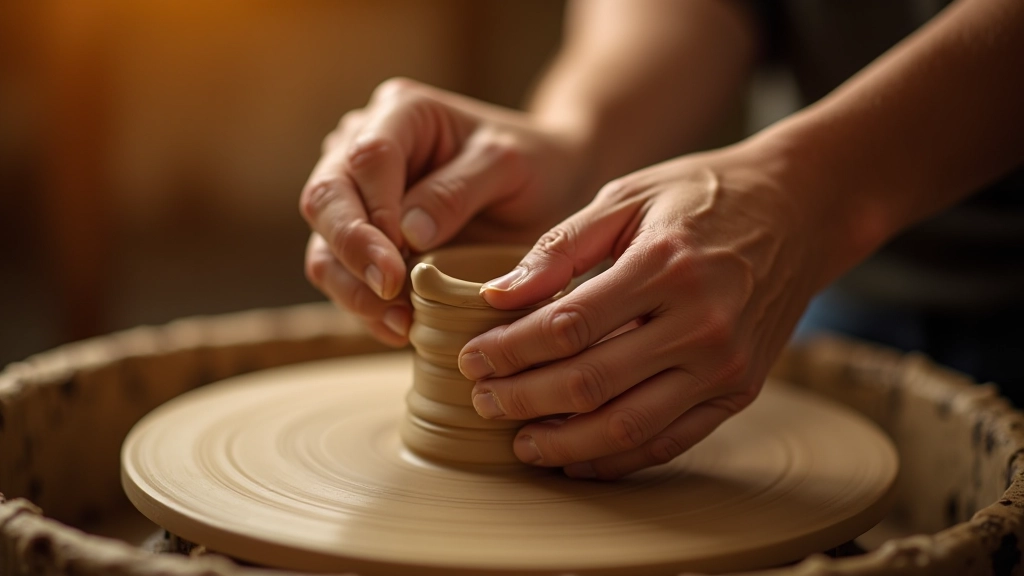
Here's where most people go wrong. They think about retirement and immediately jump to what sounds "good" — golf, traveling, taking up painting. But you're not actually interested in golf. You never have been. You just think that's what retired people do.
Don't do that. Instead, think about what you actually enjoyed before work took over your life. What did you do as a kid that made you lose track of time? What do you find yourself reading about when nobody's watching? What activities make you feel more like yourself, not less?
The key is to start experimenting while you're still working. Take a pottery class on Tuesday evenings. Join a book club. Go volunteering at a community garden for a month. Try things. Some won't stick — that's fine. But some will click, and you'll find yourself thinking about them all week.
Real talk: It usually takes 6-8 weeks before a new hobby actually feels natural. Don't judge it after two sessions.
Build Your Circles — Because Identity Isn't Just About What You Do
You are who you spend time with. This is one of the most underrated parts of retirement planning, and honestly, it's more important than the hobbies.
When work ends, your social structure disappears with it. You won't see those colleagues every day. The casual conversations over coffee, the team lunches, the people who knew what you were working on — gone. For a lot of people, that's when loneliness creeps in.
So start building your circles now. Find your people. This might be a regular group that meets weekly — maybe it's a volunteer team, a hobby club, or friends who gather for a meal. What matters is that it's regular and consistent. You're not looking for a massive social life. You're looking for 3-4 solid groups where you belong.
In Estonia, there's a real culture of community involvement. Whether it's volunteering in Tallinn neighborhoods or joining a craft group in Tartu, these communities are welcoming to people who show up genuinely interested. You don't need to be an expert. You just need to show up.

Practice Your New Identity While You Still Have Your Old One

This is the magic part. You still have your job. You still have your work identity. But you can start living as if you don't. You can test out who you want to be in retirement while you've got a safety net.
Start thinking of yourself differently. Not as "the manager who volunteers on weekends" but as someone who's building a life that doesn't depend on work. Spend your free time the way a retired person would. Take that class. Join that group. Show up consistently.
The benefit? You'll figure out what actually works before it's your only option. You'll know if you love volunteering, or if it was just a romantic idea. You'll have friends who know you outside of work context. You'll have hobbies that actually stick.
And when retirement actually arrives, you won't be starting from zero. You'll already be someone. You'll already have your people. You'll already have your rhythm.
The Real Work Starts Now
Building a retirement identity isn't something you do on your last day of work. It's something you do in the months and years before. It's the hobby you explore. It's the volunteer group you show up to consistently. It's the friendships you deepen. It's the question you ask yourself: "Who do I want to be?"
You don't have to have all the answers. You just have to start asking the questions and experimenting with the possibilities. The person you become in retirement won't be defined by your job title. It'll be defined by what you chose to build, while you still had time to build it.
So take that class. Join that group. Write in that journal. Talk to people about what matters to you now, not what mattered in your career. Your future self will thank you.
Disclaimer: This article is informational in nature and provides general guidance on retirement identity planning. It's not a substitute for personal coaching, financial planning, or professional advice. Everyone's retirement journey is different — what works for one person may not work for another. Consider consulting with a certified life coach or financial advisor who understands your specific situation and goals.