

Discovering Hobbies That Actually Stick
Not all hobbies are created equal. We'll help you find activities that match your personality and keep you engaged for years.
Why Hobbies Matter in Retirement
You've spent decades building a career. Now you're thinking about what comes next. Here's the thing — retirement isn't about doing nothing. It's about doing things that actually matter to you.
The difference between people who thrive in retirement and those who struggle? It's not luck. It's hobbies. Real hobbies. The kind that make you lose track of time, that you're genuinely excited about, that you'll still be doing five years from now.
We're not talking about collecting hobbies like they're trading cards. We're talking about finding one, two, or three activities that genuinely fit who you are — and actually sticking with them.
01
Understand Your Starting Point
Before you jump into anything new, take a real inventory of what you actually enjoy. Not what sounds impressive. Not what your friends do. What actually makes you happy?
Think about the last time you were genuinely absorbed in something. Could be from years ago. What were you doing? Were you creating something? Solving a problem? Helping someone? Moving your body? Learning something completely new?
Write down three things:
- Activities that made you lose track of time (in a good way)
- Skills you've always wanted to develop
- Things you'd do even if nobody was watching
That's your starting point. Everything else builds from there.

02
Match Yourself to a Category
Hobbies usually fall into four categories. You don't need all of them — but knowing which ones appeal to you helps narrow things down.
Creating
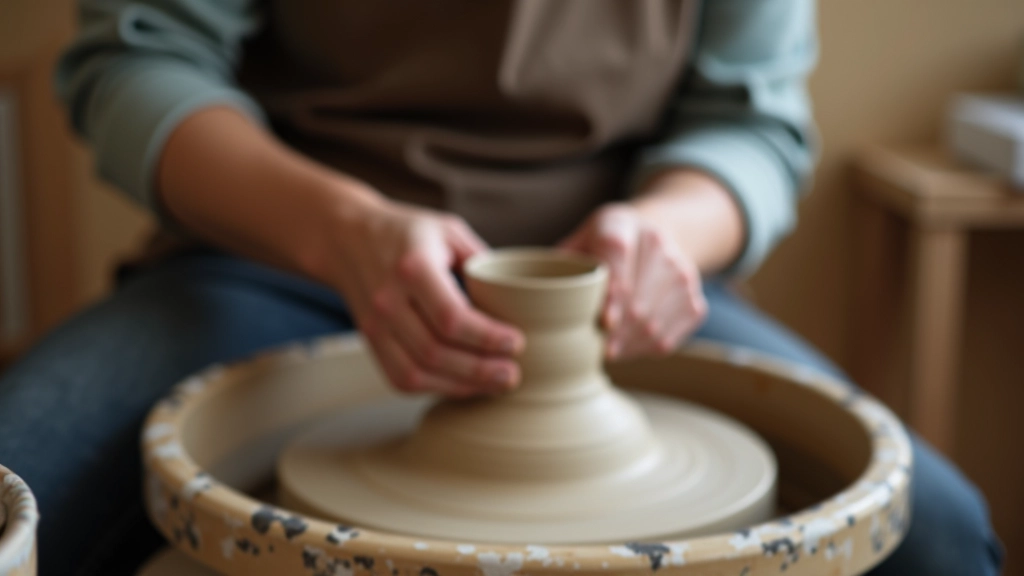
Painting, woodworking, writing, pottery, gardening. You're making something that didn't exist before.
Learning
Languages, history, science, music theory. You're expanding what you know.
Moving
Walking, swimming, cycling, dancing, hiking. Your body's engaged and your mind gets quieter.
Connecting
Groups, clubs, team sports, classes. You're around other people with shared interests.
Most people do best with one from two different categories. A creator who also moves. A learner who connects with others. That's sustainable.
03
Try, Test, Refine
Don't overthink this. You don't need to buy expensive equipment or commit to a year-long course. Start small.
Pick one thing that sounds interesting. Give it four weeks. That's roughly eight to twelve sessions. Why four weeks? It takes about that long to get past the awkward beginner phase and actually feel like you're doing it.
In Tallinn, there's literally something for everyone. Community centers offer classes. Local clubs meet weekly. You can try a pottery class, join a walking group, start a book club, or take a language lesson. Most offer drop-in options or trial weeks.
After four weeks, ask yourself honestly: Do I want to keep going? If yes, great — you've found something. If not, that's fine too. You've learned something about what doesn't work.


04
Making It Actually Stick
So you've found something you like. Now comes the part where most people fall off: actually keeping it going.
The secret isn't motivation. It's structure. Make it part of your routine, not something you "try to fit in."
If you've joined a class or group, you've got built-in accountability. That's honestly the best setup. You show up Tuesday nights at 7 p.m. because that's when the group meets. You're not deciding each week whether you feel like it.
If it's something solo — painting, writing, gardening — pick a specific time. Not "whenever." Actual time. Wednesday mornings. Saturday afternoons. Treat it like you'd treat any appointment that matters.
You'll have weeks where you skip. That's normal. The goal isn't perfection. It's consistency over time. Most hobbies that stick are the ones people do at least twice a month, every month, for a year.
Real Talk: Common Obstacles
Cost Concerns
Not every hobby requires investment. Walking, reading, writing — all free. For others, start borrowed or basic. You don't need professional equipment to discover if something sticks.
"I'm Too Old to Start"
You're not. Most people who pick up hobbies in their 60s progress faster than younger beginners because they're more focused and committed. You've got life experience on your side.
Not Knowing Where to Look
Start local. Community centers, libraries, Facebook groups for your city, meetup apps. In Estonia, city websites list all the classes and groups. Pick one that fits your schedule.
Getting Bored
If something feels stale after six months, level up. Take a more advanced class. Join a group. Add a new element. Hobbies can evolve.
Your Hobby Starts Now
Retirement isn't a blank slate to fill with busywork. It's an opportunity to finally do things you actually care about. And you'll be surprised — the hobbies that stick are the ones that become the best part of your week.
Start this week. Pick one thing. Give it four weeks. See what happens. The worst that can happen? You learn it's not for you. The best? You find something that brings genuine joy for years to come.
Disclaimer
This article is informational and educational in nature. The suggestions and frameworks provided are general guidance based on common experiences with hobby development. Individual circumstances vary significantly — physical abilities, interests, budgets, and available resources differ from person to person. The hobby suggestions and timelines mentioned (such as the four-week trial period) are general recommendations, not prescriptive rules. Everyone's journey with hobbies is unique. Consult with your doctor before starting new physical activities, and consider your personal financial situation when evaluating hobby costs. Local resources, classes, and groups mentioned are examples; your specific area may have different options.

Continue Your Retirement Planning Journey