
Building Real Community Connections in Your Sixties and Beyond
Why loneliness isn't inevitable — and how to create meaningful relationships and stay engaged in community life.

The retirement conversation often focuses on money and free time. But here's what nobody talks about enough: connection. Without intentional effort, you can wake up at 65 and realize you've drifted from the people and places that made life feel full. It's not because you've changed — it's because the structures that kept you connected just vanished. No workplace, no regular meetings, no automatic reason to see colleagues or be around people.
The good news? It's completely fixable. And we're not talking about forced social clubs or activities you don't actually care about. Real community connections in your sixties come from finding people who share your interests, showing up consistently, and being genuinely present. It takes intention. But it works.
01
Start With What Actually Interests You
This is the foundation everything else rests on. You can't force yourself to show up for a hobby you're just tolerating. It won't stick.
Think back to things you've genuinely enjoyed — even small things. Maybe you like working with your hands, or you're curious about current events, or you've always wanted to learn something specific. The activity itself is the door. People show up because they care about the thing, and friendships form around that shared interest.
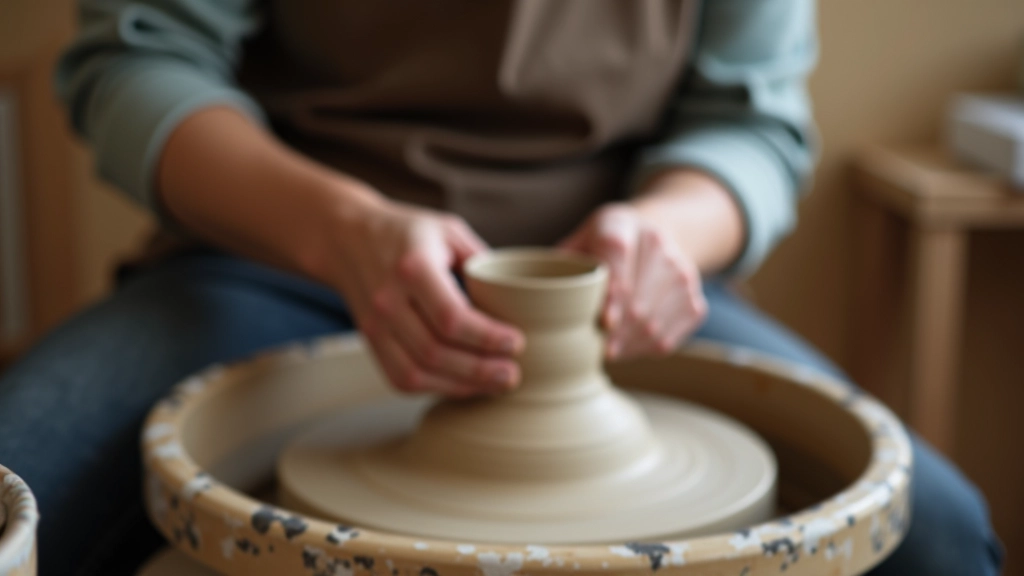
Don't overthink this. If you've never tried pottery, you might love it. If you've always enjoyed reading but haven't been part of a book club, that's a starting point. The activity gives you something to do together, which takes the pressure off forced small talk.

02
Find Your People Through Consistent Spaces
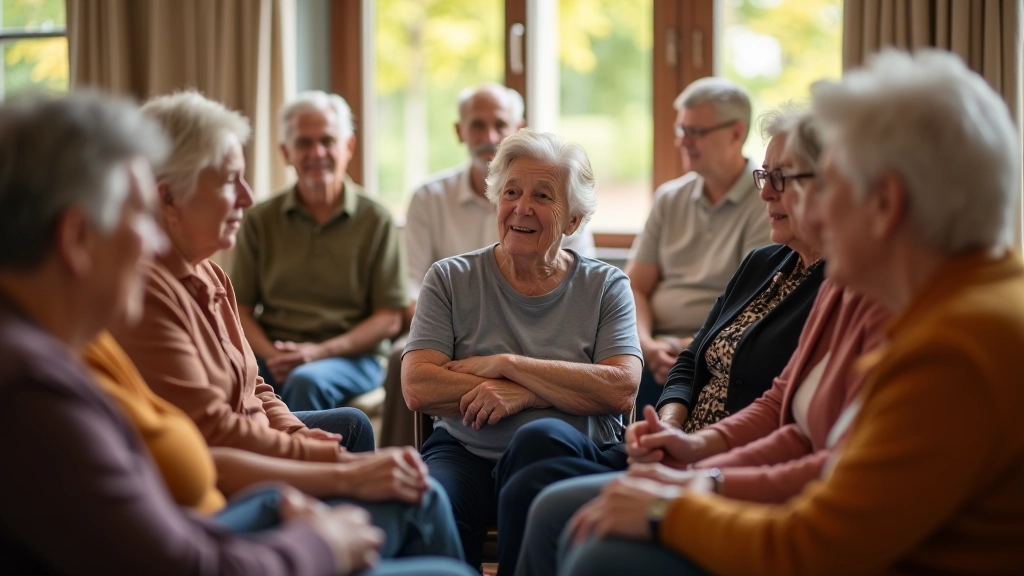
Real connections don't happen in one-off events. They develop through repetition. You see the same faces. You learn names. You ask "How was your week?" and actually remember the answer from last week.
In Estonia, community centers (kodanikuühendused) and local clubs in Tallinn and Tartu run regular programs — everything from language exchanges to walking groups to art classes. Pick something that meets weekly or bi-weekly. Commit to showing up for at least 6-8 weeks before you decide if it's for you. That's when you start moving from "new person" to "someone people recognize."
You don't need to be best friends with everyone. You just need 2-3 people you genuinely enjoy seeing. That changes everything.
03
Take Initiative — Small Gestures Matter
You don't need to organize big events. You just need to be the person who notices when someone's missing, or who suggests grabbing coffee after the activity.
Friendship at this stage isn't complicated. Someone mentions they're interested in trying a new café? "I'll go with you." Someone mentions a book they're reading? Ask them about it next week. These small consistencies are what transform casual acquaintances into real connections.
Being the initiator has another benefit — it gives you purpose and agency. You're not just participating in something organized for you. You're creating the social structure yourself.


04
Consider Contributing — It Changes Your Mindset
Volunteering isn't just about helping others. It's about shifting from "I'm looking for a place to fit in" to "I have something to offer." That shift changes everything about how you show up.
Whether it's teaching a skill you have, helping organize events, or supporting a cause you believe in, contributing gives you standing in the community. You're not just a participant — you're someone who makes things happen. People remember that. They respect it.
Start small. Maybe it's one afternoon a week. But being useful creates natural bonds with people working alongside you toward something shared.
The Real Gift of Connection
Loneliness in your sixties and beyond isn't about age. It's about structure. For decades, work gave you automatic connection. When that disappears, you have to be intentional about creating it. That's actually an advantage — because now you get to choose. You get to build community around things you genuinely care about, with people you actually like.
Start with one activity. Show up consistently. Be genuinely interested in the people around you. That's it. Those three things compound. In six months, you won't be the new person anymore. You'll be someone with a community.
Disclaimer
This article provides educational information about building community connections during retirement. It's not a substitute for professional counseling or mental health support. If you're experiencing persistent loneliness or depression, speaking with a healthcare provider or licensed therapist is important. Community involvement is a helpful part of a healthy lifestyle, but individual circumstances vary, and professional guidance may be beneficial for your specific situation.